
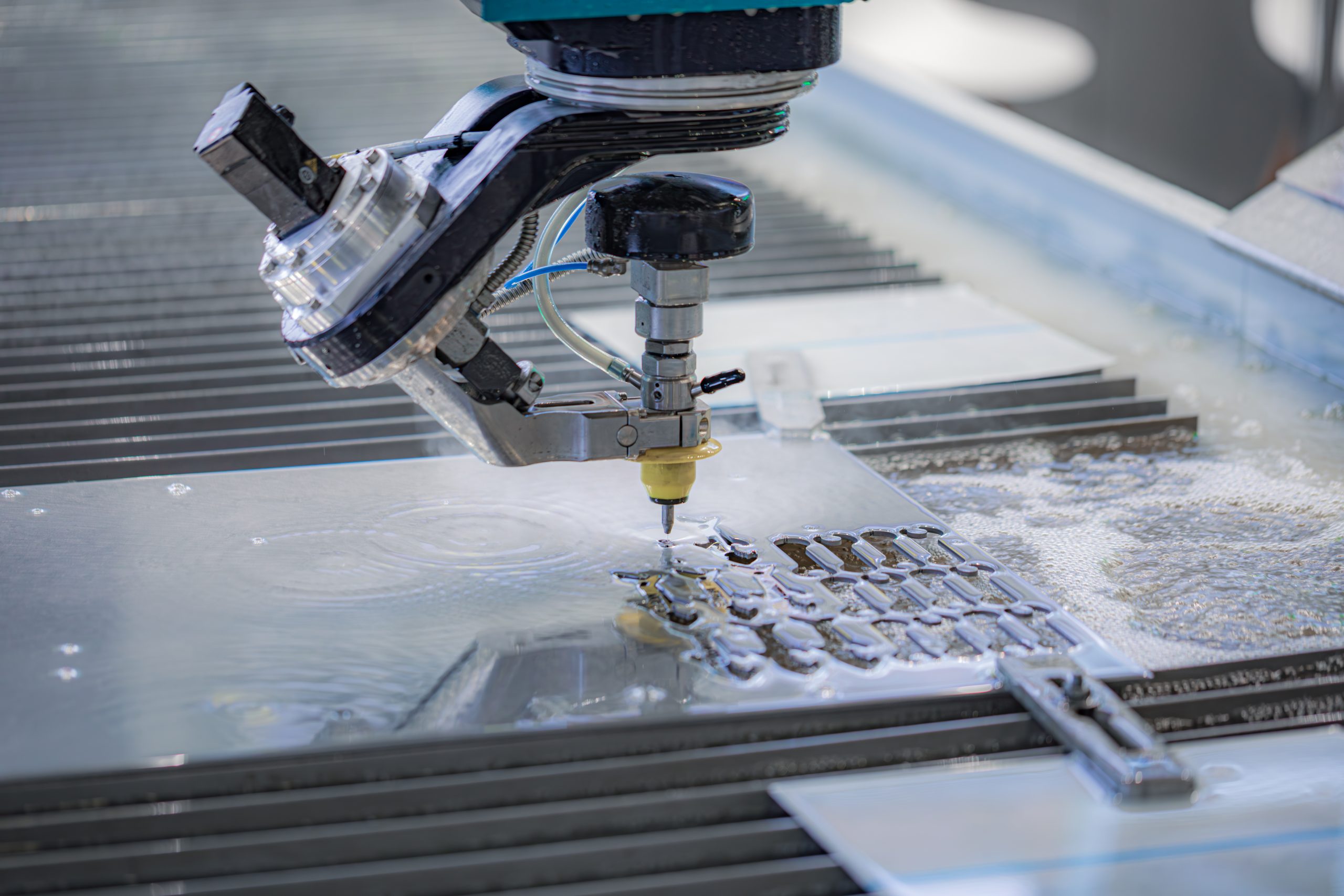
Abrasive waterjet cutting uses a high-pressure stream of water mixed with abrasive to cut metal and other materials along a programmed path. It is considered a cold-cutting process because it does not rely on heat to melt or burn the material.
No. Waterjet cutting is valued because it avoids the heat-affected zone associated with many thermal cutting methods. That helps protect heat-sensitive materials and supports cleaner downstream machining.
Waterjet cutting can support many metals, including aluminum, titanium, stainless steel, alloy steel, carbon steel, nickel alloys, cobalt alloys, and other specialty metals, depending on part requirements and material availability.
Yes. Waterjet cutting is often a strong fit for aerospace applications because it supports complex shapes, tight geometry, and heat-sensitive materials such as titanium and high-strength aluminum without thermal distortion.
A. M. Castle & Co. has expanded waterjet cutting capabilities in Los Angeles, including four advanced waterjet systems to support Southern California manufacturers with responsive quoting and rapid turnaround.